As people age, maintaining dignity, independence, and overall well-being becomes increasingly important. Aging brings changes in physical ability, cognitive function, and social interactions, but with the right support, older adults can continue to lead fulfilling and meaningful lives. Ensuring that elderly individuals are treated with respect and provided with the resources they need to remain independent is crucial for their emotional and physical well-being.
The Importance of Dignity in Aging
 Dignity is a fundamental human right, and preserving it in later years helps seniors feel valued and respected. There are several ways to promote dignity in elderly care:
- Respecting Choices and Preferences: Allowing seniors to make decisions about their daily routines, meals, and activities fosters a sense of control over their lives.
- Encouraging Social Connections: Engaging with family, friends, and community groups can help prevent feelings of isolation and loneliness.
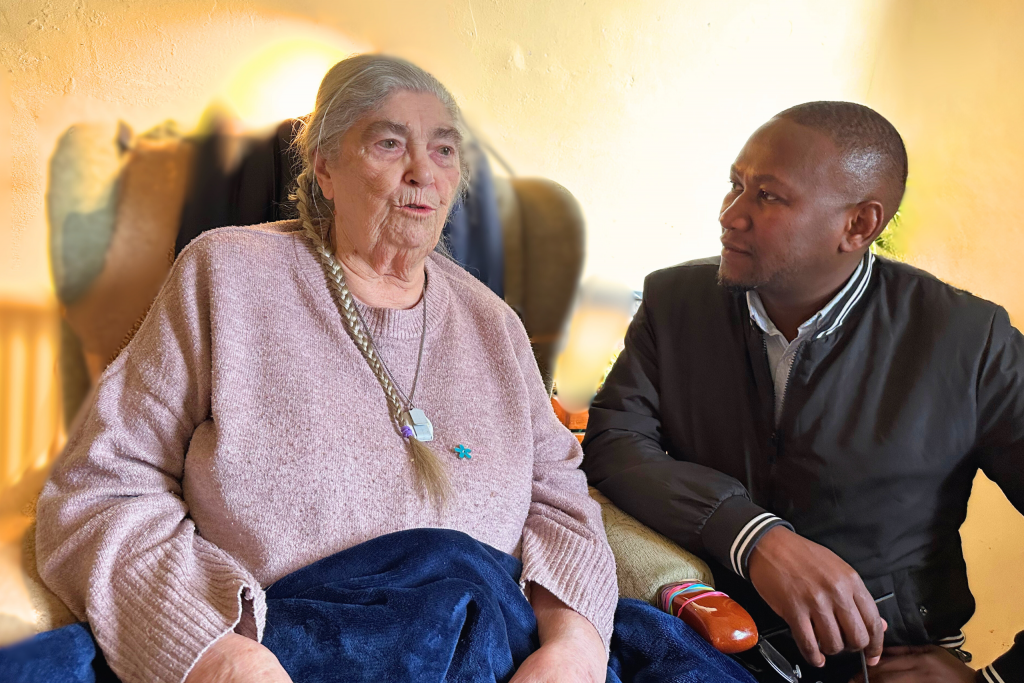
- Providing Compassionate Care: Treating elderly individuals with patience and kindness, while acknowledging their experiences and opinions, helps maintain their self-worth.
Supporting Independence in Aging
 Independence is vital for self-esteem and quality of life. Even when some level of assistance is required, there are ways to empower seniors to maintain autonomy:
- Adapting the Home Environment: Simple modifications like hand rails to grab on, better lighting, and accessible furniture can enhance safety and mobility.
- Encouraging Physical Activity – Gentle exercise, such as walking or stretching, helps maintain strength, balance, and flexibility.
- Technology and Assistive Devices: Tools like medication reminders, mobility aids, and voice-activated assistants can help seniors perform daily tasks independently.
Enhancing Well-being for the Elderly
Well-being is a combination of physical health, emotional stability, and social fulfilment. To support overall well-being:
- Promote Healthy Nutrition: A balanced diet rich in essential nutrients supports energy levels, cognitive function, and immune health.
- Encourage Mental Stimulation: Activities such as reading, puzzles, or learning new skills help keep the mind active.
- Provide Emotional Support: Open communication, companionship, and access to counseling or support groups can improve emotional health.
Creating an Age-Friendly Society
Communities, caregivers, and families all have a role to play in promoting dignity, independence, and well-being for the elderly. By fostering an environment that values and supports older adults, we can help them age with confidence, purpose, and joy.
Would you like additional details on specific strategies, such as government policies or community programs that support elderly well-being?